
Seoul & Jeju Island: Urban Energy meets Island Serenity
Experience the ultimate South Korean contrast! Begin your journey in the hypermodern metropolis of Seoul, where futuristic skyscrapers stand alongside ancient palaces like Gyeongbokgung, K-pop beats fill Hongdae streets, and Michelin-starred chefs redefine Korean barbecue. Then escape to the volcanic paradise of Jeju Island — often called the “Hawaii of Korea” — with its pristine white-sand beaches like Hyeopjae, luxury oceanfront resorts, the dramatic Hallasan Mountain, and UNESCO-listed lava tubes. The perfect combination of cosmopolitan thrill and coastal tranquility awaits you in South Korea’s most iconic city and island duo.
Seoul & Jeju Island Travel FAQ – City Meets Beach with MultiWander
Where can I start my Seoul & Jeju Island trip?
From any major airport worldwide! With MultiWander, your South Korea journey begins wherever you are – London, Berlin, Warsaw, New York, Singapore, or beyond. We customize flights, domestic connections to Jeju, and seamless city-to-island itineraries tailored to your schedule.
What beach destinations pair best with Seoul?
Jeju Island is Korea’s ultimate beach escape – volcanic landscapes, white sands, and UNESCO sites. For alternatives, combine Seoul with Okinawa (Japan), Da Nang (Vietnam), Phuket (Thailand), or Honolulu (Hawaii) for world-class coastal luxury.
Which Asian cities pair perfectly with Seoul?
Seoul connects seamlessly with Asia’s top metros. Extend your journey to Tokyo (Japan), Beijing (China), Taipei (Taiwan), or Bangkok (Thailand) for multi-city adventures blending culture, cuisine, and urban energy with MultiWander.
Seoul & Jeju Island Escape: Urban Energy & Volcanic Paradise
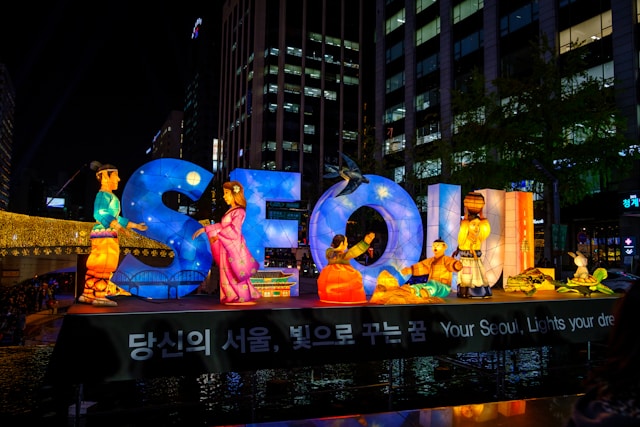
Seoul
South Korea’s hypermodern capital where ancient palaces meet futuristic skyscrapers. Immerse yourself in K-pop culture, world-class Korean BBQ, and the electrifying pulse of Asia’s most dynamic metropolis.
Seoul Highlights:
- Gyeongbokgung Palace & Bukchon Hanok Village
- Myeongdong shopping & street food
- N Seoul Tower & Hongdae nightlife
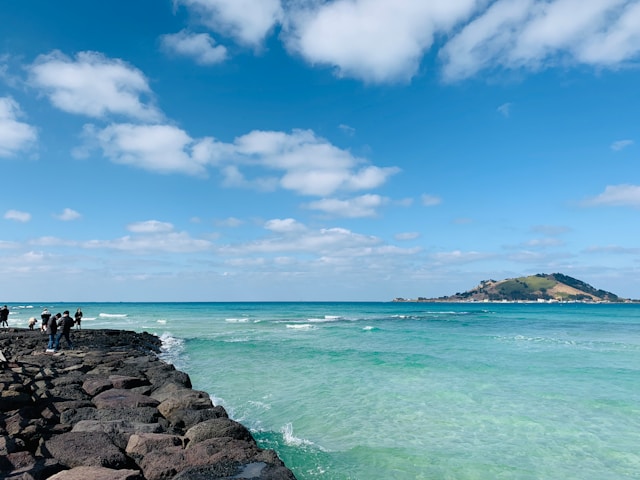
Jeju Island
Korea’s volcanic paradise featuring pristine white-sand beaches and turquoise waters. Discover luxury resorts, dramatic coastal cliffs, and the legendary Hallasan Mountain.
Jeju Highlights:
- Hyeopjae & Jungmun Beach
- Hallasan Mountain hiking
- Seongsan Ilchulbong Sunrise Peak
Why Choose a Seoul & Jeju Island Vacation?
Luxury Stays
From Seoul’s premium Gangnam hotels to Jeju’s oceanfront resorts, enjoy world-class accommodations in South Korea’s top destinations.
Food Heaven
Savor Seoul’s Korean BBQ, bibimbap, and street food, then indulge in Jeju’s fresh seafood, black pork BBQ, and local tangerines.
Culture & History
Explore Seoul’s ancient palaces and Buddhist temples, then discover Jeju’s unique haenyeo (female divers) culture and stone grandfather statues.
Instagram-Worthy Stops
Capture Seoul’s N Seoul Tower and colorful Hongdae streets, then snap Jeju’s volcanic cliffs, white-sand beaches, and Canola flower fields.
Endless Entertainment
Experience K-pop concerts and Hongdae’s indie music scene in Seoul, then enjoy Jeju’s beachside cafes and scenic Olle trail walks.
Epic Excursions
Take a DMZ tour or hike Seoul’s city walls, then explore Jeju’s Hallasan Mountain, Manjanggul Lava Tube, and Seongsan Sunrise Peak.
Year-round Climate for Seoul & Jeju Island, South Korea
Seoul and Jeju Island offer distinct seasonal experiences that make South Korea a year-round destination. Seoul, in the northwest, experiences four distinct seasons – cold, dry winters, blossoming springs, hot humid summers, and crisp colorful autumns. Jeju Island, off the southern coast, enjoys a milder subtropical climate with warmer winters and more moderate summers, influenced by ocean breezes. Together, they create the perfect combination – from cherry blossoms in spring to autumn foliage, summer beach escapes, and winter skiing opportunities.
| Month | Seoul Temperature °C | Jeju Island Temperature °C | Season |
|---|---|---|---|
| January | -6 – 2 | 3 – 8 | Cold Winter |
| February | -4 – 5 | 4 – 10 | Cold Winter |
| March | 1 – 11 | 6 – 13 | Early Spring |
| April | 8 – 18 | 10 – 18 | Cherry Blossom |
| May | 14 – 24 | 14 – 22 | Pleasant Spring |
| June | 19 – 28 | 18 – 25 | Rainy Season Start |
| July | 22 – 30 | 23 – 29 | Monsoon & Humid |
| August | 23 – 31 | 24 – 30 | Peak Summer |
| September | 18 – 27 | 20 – 27 | Warm & Pleasant |
| October | 11 – 21 | 15 – 22 | Autumn Foliage |
| November | 4 – 13 | 10 – 17 | Crisp Autumn |
| December | -3 – 4 | 5 – 11 | Cold Winter |
Note: Seoul experiences its rainy monsoon season from late June to July, while Jeju’s rainy period is slightly longer from June to August. The best time to visit both destinations is spring (April to May) for cherry blossoms and mild temperatures, or autumn (September to October) for stunning foliage and comfortable weather. Summer (June to August) is ideal for Jeju’s beaches, while winter offers skiing opportunities near Seoul and a quieter Jeju experience.