
Experience South Korea: Ancient Temples & Modern Cities
From the neon lights of Seoul to the historic streets of Gyeongju, South Korea blends centuries-old traditions with futuristic innovation. MultiWander invites you to explore majestic palaces, savor authentic Korean cuisine, hike scenic mountains, and discover the vibrant culture of the Land of Morning Calm.
Discover Our Top South Korea Travel Packages
Handpicked South Korea tours — customize your flights, hotels, and itinerary.
Individual Travel Packages to South Korea – Modern Cities, Ancient Traditions & Scenic Landscapes
Where can I start my South Korea trip?
You can start your South Korea journey from virtually anywhere. Most international flights arrive at Seoul’s Incheon International Airport, the country’s main hub. However, with our customized South Korea tours, you can also begin your adventure in Busan, Jeju Island, or even combine your arrival from nearby Asian hubs like Tokyo, Beijing, or Taipei. Whether you’re flying from Europe, the US, or elsewhere in Asia, your individual South Korea travel package adapts to your preferred starting point.
What are the best travel combinations with South Korea?
South Korea pairs perfectly with several Northeast Asian destinations. For an extended Asian adventure, we recommend combining your South Korea holiday with Japan, Taiwan, or China. These combinations offer incredible variety—from Seoul’s K-pop culture to Tokyo’s neon streets, Taipei’s night markets, or Beijing’s ancient wonders. Our tailor-made South Korea travel packages make these multi-country itineraries seamless and unforgettable.
What are the best times to visit South Korea?
South Korea offers unique experiences across all four seasons. Spring (April to June) brings stunning cherry blossoms and mild temperatures. Autumn (September to November) dazzles with vibrant fall foliage in national parks like Seoraksan. Summer offers beach weather and festivals, while winter transforms the country into a snowy wonderland perfect for skiing and hot springs. Your individual South Korea travel package can be tailored to showcase the best of whichever season you choose.
Can I explore South Korea independently?
Absolutely—South Korea is one of Asia’s most accessible countries for independent travel. From the futuristic capital of Seoul to the coastal charm of Busan, the volcanic landscapes of Jeju Island, and the historic treasures of Gyeongju, our customized South Korea tours give you complete freedom. Whether you want a fast-paced city adventure or a slow exploration of temples and countryside, every detail adapts to your travel style.
South Korea Highlights
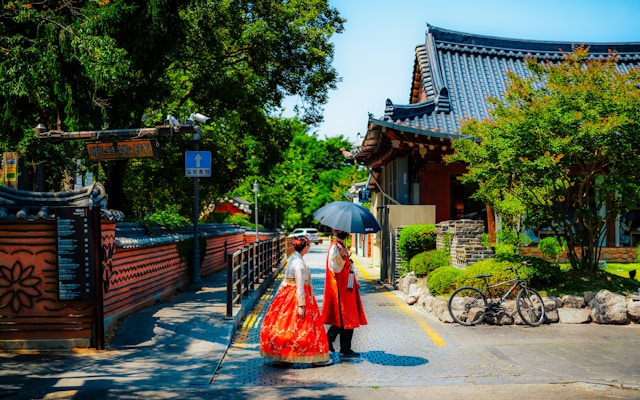
Seoul
Seoul is a electric mix of ancient palaces and K-pop culture. Explore Gyeongbokgung Palace, shop in Myeongdong, and experience futuristic Dongdaemun.
Nature in South Korea
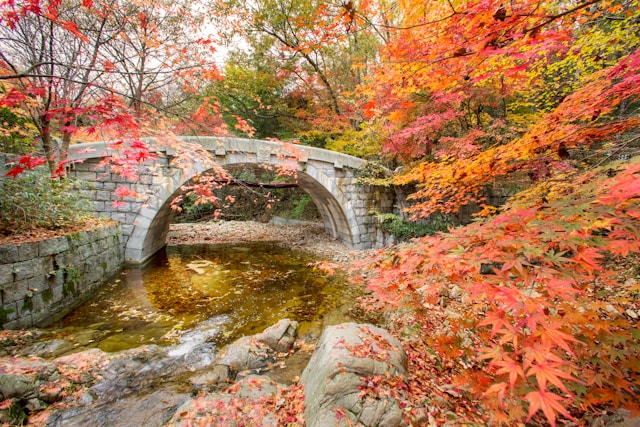
From Jeju Island‘s volcanic peaks to Seoraksan National Park‘s autumn foliage, South Korea’s landscapes stun. Hike, relax in hot springs, or explore bamboo forests—nature awaits everywhere.
Food in South Korea
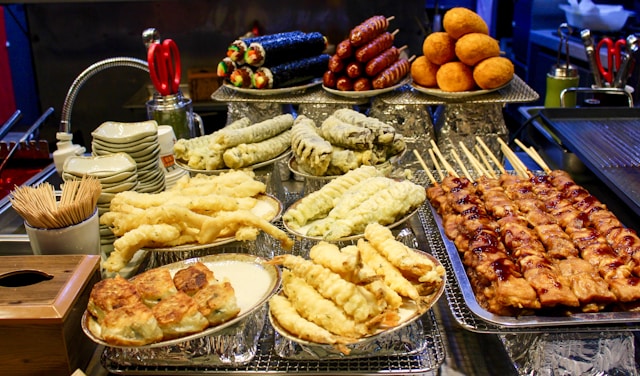
Kimchi, bibimbap, Korean BBQ, and sizzling street food. Food in South Korea is a journey itself—from Seoul’s night markets to Busan’s fish stalls. Taste the flavor of authentic Korean cuisine.
South Korea: Practical Information for Polish Travelers
Entry Requirements
Polish citizens need a passport valid for at least 6 months. For stays up to 90 days, a visa is not required for tourism (K-ETA exemption applies until 2025). A return ticket and proof of accommodation are recommended.
Official source: Polish government – South Korea
Time in South Korea
Current time in Seoul:
Single time zone nationwide (KST – UTC+9).
Language
- Korean – official language (Hangul alphabet)
- English – limited but common in tourist areas, hotels, and major attractions
- Translation apps – highly recommended for convenience
Currency
Official currency: South Korean won (KRW). Credit cards widely accepted; cash preferred at traditional markets.
1 PLN = Loading…
Traffic Information
Traffic drives on the right. An International Driving Permit (IDP) is required to rent a car. Excellent public transport (subway, KTX trains, buses) makes driving unnecessary in cities.
Electrical Outlets
Outlet types C (Europlug) and F • 220 V • 60 Hz. Same as Poland – no adapter needed for most devices.
Electrical Outlet Types in South Korea
Year-round Climate in South Korea
South Korea experiences four distinct seasons, offering a different kind of beauty throughout the year. Springs bring cherry blossoms, summers are warm and humid, autumn dazzles with colorful foliage, and winters are cold with excellent skiing conditions. From Seoul’s urban charm to Jeju Island’s mild winters, South Korea’s diverse climate ensures something special in every season.
| Month | Season | Temperature °C Seoul | Average Rainy Days Per Month |
|---|---|---|---|
| January | Cold Winter | -2 | 7 |
| February | Cold Winter | 2 | 6 |
| March | Spring Begins | 8 | 7 |
| April | Cherry Blossom Spring | 15 | 8 |
| May | Pleasant Spring | 21 | 9 |
| June | Early Summer / Rainy | 24 | 10 |
| July | Monsoon Season | 27 | 16 |
| August | Hot Summer | 28 | 14 |
| September | Early Autumn | 23 | 9 |
| October | Autumn Foliage | 17 | 7 |
| November | Late Autumn | 9 | 9 |
| December | Cold Winter Begins | 1 | 7 |